Whether you are experienced or just beginning in music production, virtual instruments and effects offer a choice that can inspire and overwhelm. Here I introduce my preferred VST/VSTi suppliers, explain where to buy and what I consider when choosing tools.

VST and VSTi offer countless possibilities. Hundreds or thousands of tools promise to improve your productions. Yet there is a fine line between expanding your sound palette and accumulating too much. Unnecessary plugins waste money and valuable time. Here is how to avoid that.
Review your current tools and needs
Start with an honest inventory. Are you really missing that tool, or do you already have one that does the job? Assess the strengths and weaknesses of your setup. Do you need another compressor if you almost always use one favourite?
Try free demos before buying
Many plugins offer trial versions. Use them to check whether a tool meets your expectations and whether you will actually use it. A practical test helps avoid buying something that sits unused because it is awkward or unnecessary.
Define your production goals
We often buy impulsively without clear goals. Decide which productions need new tools and what you want to achieve. Are you missing a particular sound or a new way to shape your mix? A clear goal makes it easier to judge whether a plugin is necessary.
Keep marketing in perspective
Persuasive VST marketing can make you want a tool simply because it is fashionable. Polished demos show products at their best. Step back and ask whether it will make your work easier or more rewarding, or whether the excitement is temporary.
Create a priority list
Do not buy immediately. List interesting effects and instruments, then review the list later. After a few weeks, see whether the purchase still feels necessary. If your interest fades or the tool seems redundant, leave it out.
Keep your workflow efficient
More plugins do not automatically produce better results. Too many tools create clutter and make it harder to find the right effect. Many experienced producers find an oversized collection slows creativity. Prioritising quality helps you find the right tool faster.
Set a budget and stick to it
A monthly or annual spending limit helps prevent impulse purchases. Plan around real needs. A budget supports considered investments in tools that develop your skills and sound, rather than indiscriminately buying from a wish list.
Conclusion: keep a balance
It is easy to buy too many production tools. Keeping advertising in perspective, assessing your needs and testing before buying help avoid impulsive decisions. This keeps the focus on making music rather than collecting plugins. Creating matters more than accumulating.
I will cover individual tools, effects and instruments in other articles. Here I focus on my preferred manufacturers and shops where I have personally had good buying experiences.
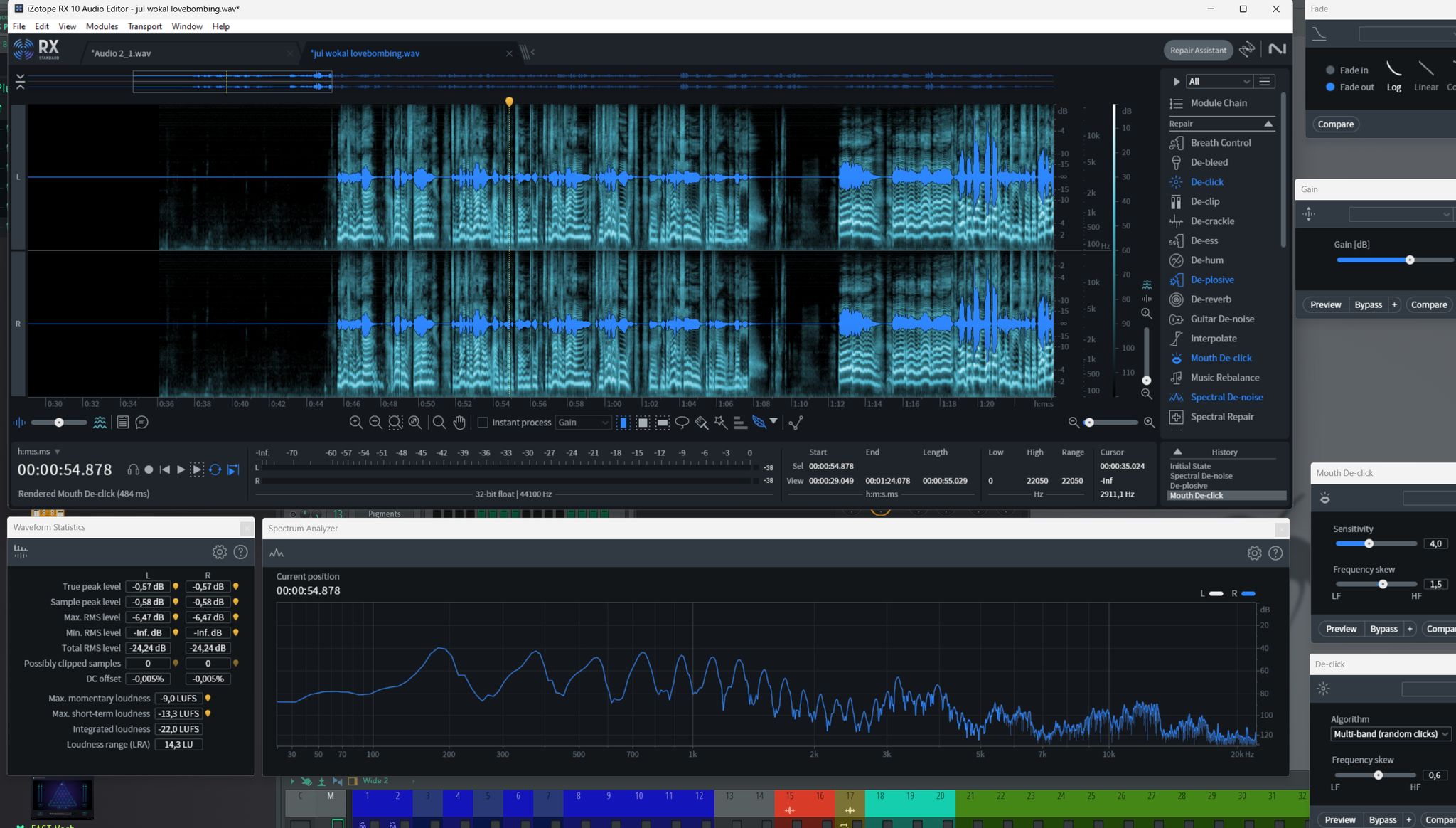
My list of music plugin shops and suppliers:
Plugin Boutique — one of the largest shops, with a broad selection and frequent promotions.
https://www.pluginboutique.com/
Plugin Alliance — plugins from many manufacturers, often at attractive prices, with a central sign-in for licence management.
https://www.plugin-alliance.com/
Waves — its own VST plugins with frequent promotions, particularly popular with audio engineers.
Acustica Audio — professional audio plugins for mixing and mastering, for musicians and producers.
https://www.acustica-audio.com/
Native Instruments — known for Kontakt and Maschine, plugins and extensive bundles.
https://www.native-instruments.com/
iZotope — specialising in mastering and audio editing, often with bundle promotions.
Eventide Audio is known for audio hardware and software, particularly innovative effects and sound processors.
https://www.eventideaudio.com/
IK Multimedia develops established audio hardware and software, including instruments and mixing plugins, also for mobile devices.
Devious Machines develops innovative audio plugins. I find its filters and effects especially impressive.
Soundtoys — high-quality effects plugins, especially popular in electronic music.
Arturia — known for classic synthesiser emulations and effects bundles.
Audio Plugin Deals — limited-time offers on plugins and sound packs.
UJAM develops easy-to-use music production tools for beginners and professional musicians.
Solid State Logic (SSL) is a British audio manufacturer best known for high-quality mixing consoles and signal processors. I highly recommend its plugins.
https://www.solidstatelogic.com/
Sonible develops intelligent, AI-assisted audio plugins for EQ, compression, reverb and mastering, helping producers and engineers achieve a professional sound efficiently.
Nugen Audio develops professional audio tools for music production, post-production and mastering.
Universal Audio (UA) is known for high-quality audio hardware and VST plugins. Key products include UAD-2 DSP cards, a foundation of the UAD system.
Mastering The Mix develops plugins such as Bassroom, Mixroom and Fuser. They help analyse and improve mixes and masters, with intelligent frequency and dynamics tools.
https://www.masteringthemix.com/
Pulsar Audio develops high-quality audio plugins, specialising in emulations of classic analogue equipment.
Celemony is a German music software company best known for Melodyne.
Reveal Sound develops music software and is best known for the Spire synthesiser.
Boz Digital Labs offers compressors, EQs, clippers and mastering tools with distinctive solutions for producers and audio engineers.
https://www.bozdigitallabs.com/
U-he develops high-quality audio plugins and virtual instruments.
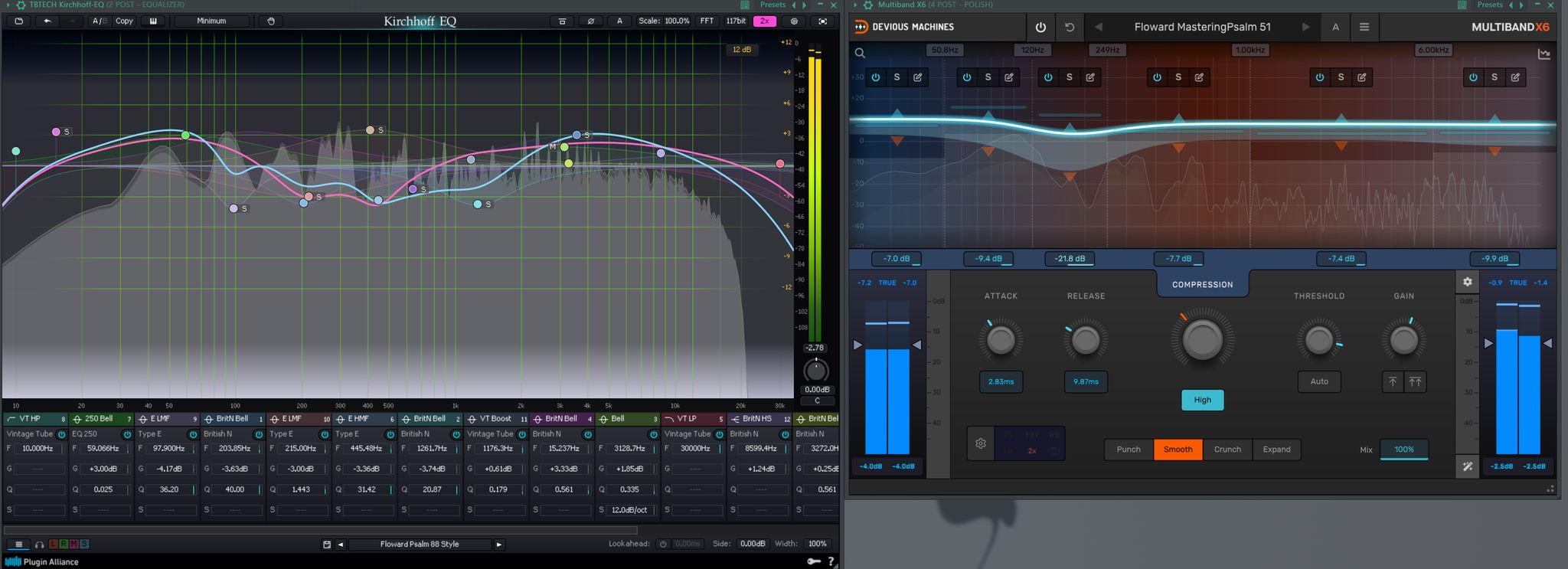
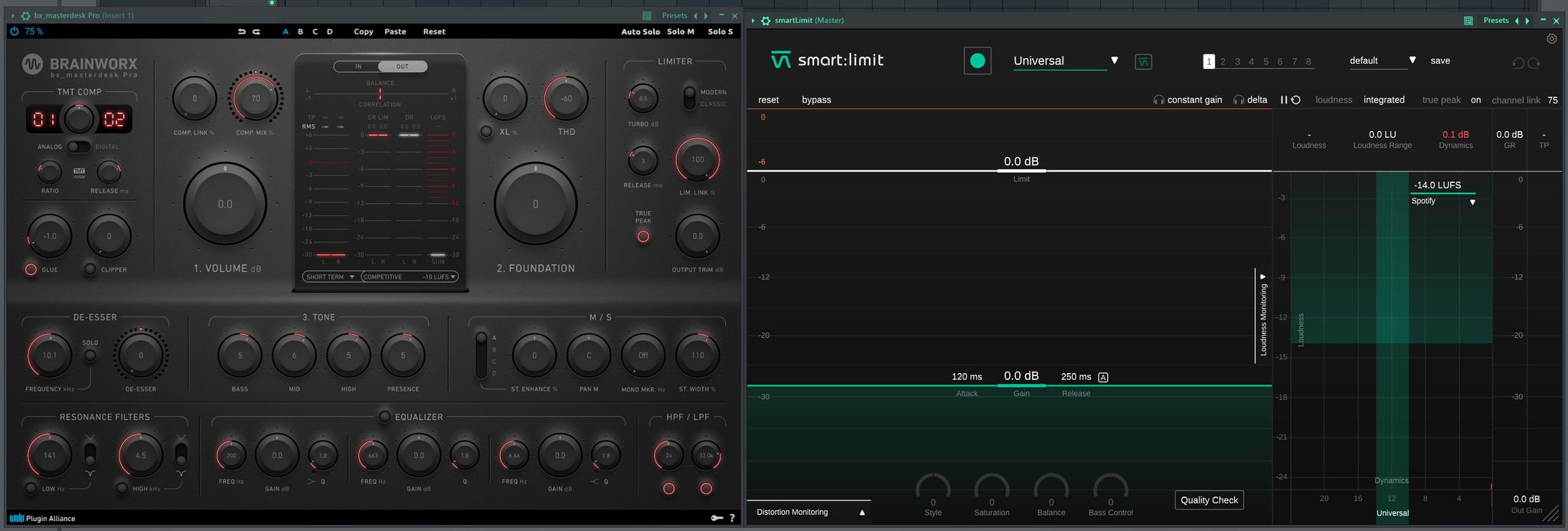
Perpetual licence, subscription or rent-to-own?
Buying VST/VSTi plugins
Advantages:
One-off purchase cost, no monthly fees
Perpetual licence and offline access subject to licence terms
No time limit on the licence
Drawbacks:
High initial cost, especially for expensive plugins
Risk of buying the wrong tool
Rent-to-own model
Advantages:
Cost spread across interest-free instalments
Flexibility — pausing or cancellation depending on the provider
Perpetual licence after all instalments are paid
Drawbacks:
Regular online checks may be required by the provider
A longer term may increase total cost, depending on the plan
Subscription
Advantages:
Access to many plugins for a fixed fee
Try different tools
Regular updates
Drawbacks:
No perpetual licence
Ongoing monthly fee
Access ends with the subscription
The best option depends on budget and needs:
For beginners or limited budgets — rent-to-own offers professional tools without a large upfront cost.
For those who want to explore different plugins — a subscription offers variety and new tools, such as Waves Creative Access, quoted in the original article at $14.99 per month.
For professionals who know their needs — a perpetual licence provides long-term use of preferred tools under its licence terms.
Hybrid options are also possible. The original article mentions Plugin Alliance rent-to-own for complete bundles. This may suit broader needs; check current terms, your plans and budget before buying.
Plugins can be a significant investment. Recurring software promotions have sometimes offered up to 90% off regular prices. Choosing when to buy can leave more budget for other tools or equipment.
Typical promotional periods during the year
Black Friday and Cyber Monday (November)Late November often brings major retailer and manufacturer discounts. Historical promotions sometimes ranged from 30% to 90%, with popular Waves, Native Instruments and iZotope products included. Compare prices to judge whether a current deal is good.
Christmas and New Year (December–January)Many companies offer holiday promotions and coupons. Discounts may include free expansions or plugins with larger bundles. This can also be a useful period for software purchases.
Summer sales (June–July)Summer sales bring more offers on VST plugins and sound packs, including at Plugin Boutique, Thomann or Splice. Discounts may be smaller than Black Friday deals, but worthwhile offers can still appear.
Back-to-school period (September)In September, some shops mark the new season with back-to-school promotions. Producers seeking fresh software inspiration may find lower prices then.
Company anniversaries and special eventsManufacturers such as Arturia, Ableton or FabFilter sometimes run anniversary promotions. Websites and newsletters help you track these offers.
Why waiting for discounts can help
Waiting for promotions Patience can pay off with expensive software. Plugins regularly costing hundreds of dollars are sometimes heavily discounted. If a purchase is not urgent, compare upcoming offers.
Subscriptions and rent-to-own If you need a tool immediately, subscription or rent-to-own may be alternatives. A subscription provides use for ongoing payments; rent-to-own normally grants a perpetual licence after all instalments. Check terms and total cost before deciding.
Tracking prices and newsletters
Subscribe to newsletters: Manufacturers often tell subscribers about upcoming sales and exclusive discounts, helping you notice relevant offers in time.
VST deal websites: Sites such as Plugin Deals or KVR Audio collect discount announcements, making it easier to review available offers and compare prices.
Online shop wish lists:Some shops, such as Plugin Boutique or Splice, offer wish lists and may provide price-change alerts. Check which notification options are available.
Planning purchases and using promotions wisely
Choosing when to buy helps manage your production budget. Promotions recur, and comparing them is especially useful for expensive software. Newsletters and wish lists help you add tools deliberately and within your budget.
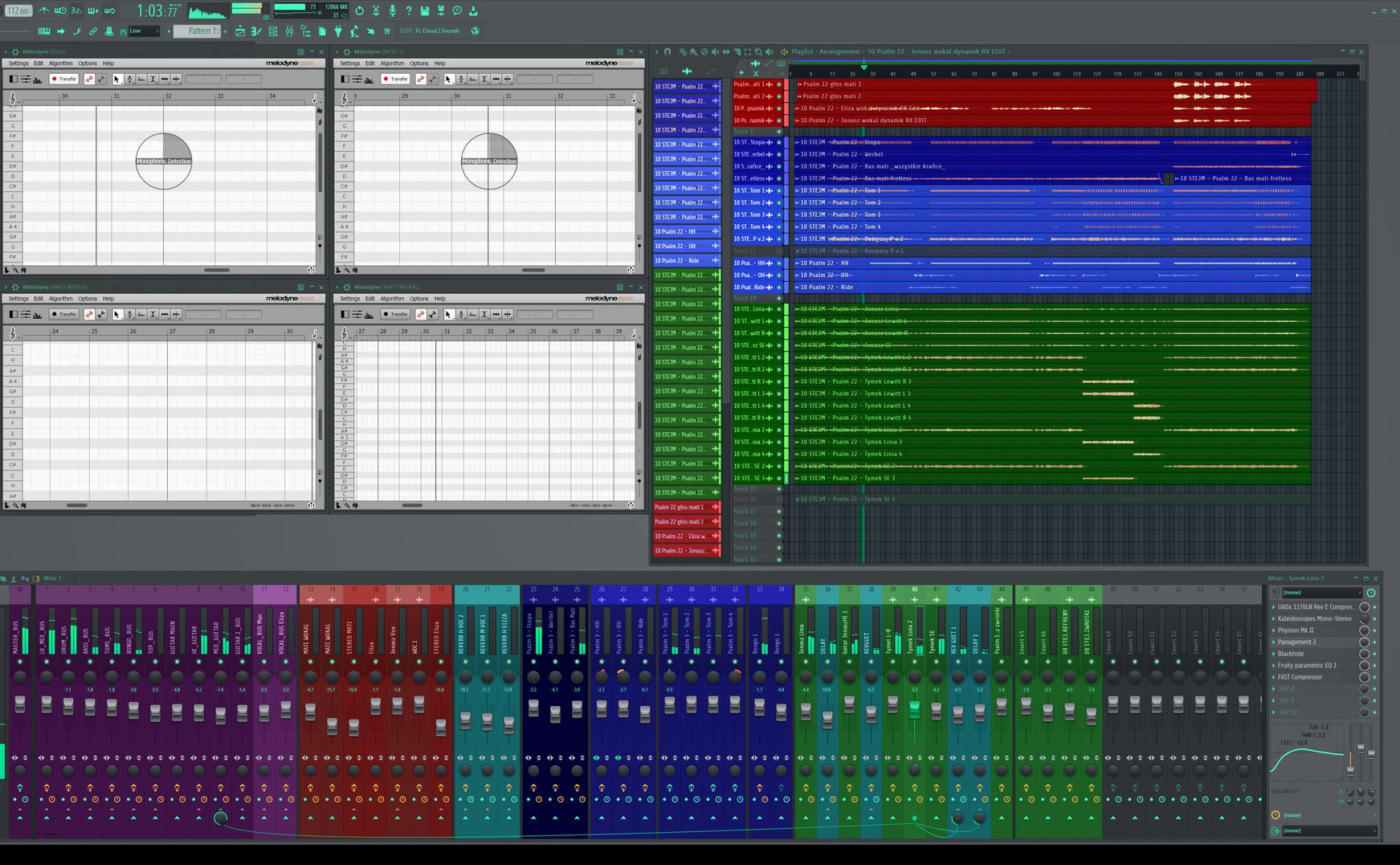
Now to cost: how much does software for basic music production cost, and what about professional mixing and mastering?
Music production and basic mixing:
Versatile production and basic mixing tools can be assembled on a smaller budget. The original article estimated:
Basic EQs and compressors ~300–600 EUR
Basic mastering tools ~200–400 EUR
Spatial effects and reverb ~100–200 EUR
Basic synthesiser and instrument collection ~300–600 EUR
Starter bundles ~200–400 EUR
Total cost: approximately EUR 1,000–2,000 as the article’s overall estimate for basic production and mixing. This can provide a solid set of tools without buying the most extensive packages.
Professional mixing and mastering setup
Demanding projects often use established tools and specialised plugins. The article’s estimates for this level were:
EQs, compressors and dynamics tools, such as FabFilter, iZotope, UAD and SSL: ~1500–3000 EUR
Mastering tools, such as iZotope Ozone, Sonnox Oxford and Brainworx: ~1000–2000 EUR
Audio analysers, such as iZotope Insight and Nugen Audio: ~300–600 EUR
Spatial effects and reverbs, such as Valhalla and Altiverb: ~400–800 EUR
Saturation and analogue emulations, such as Slate Digital and Soundtoys: ~500–1000 EUR
Comprehensive bundles, such as Waves Diamond and FabFilter Total Bundle: ~1000–2000 EUR
Total cost: approximately EUR 4,000–8,000 as the article’s overall estimate. Further investment, including dedicated DSP processors and UAD hardware, may take the cost above that range.
How much have I spent on software, DAWs, tools and VSTs?
More than €5,000 in 2022–2024 alone. I used many discount coupons and sometimes waited months for individual tools to drop in price. I prefer a one-off purchase of a perpetual licence.
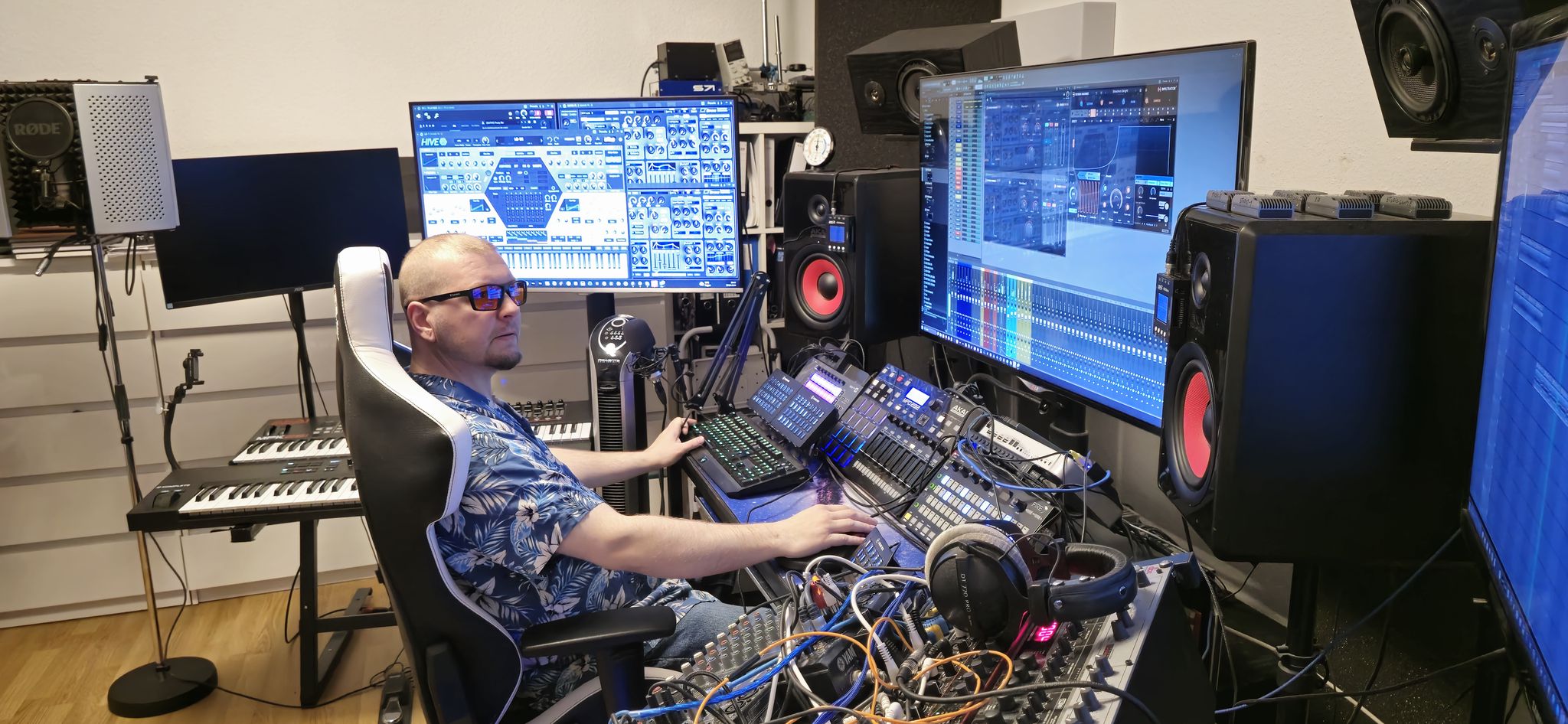
Describing every VST plugin, its uses and results individually would take a long time. I am happy to answer questions about choosing plugins for specific tasks. Join the discussion! :)